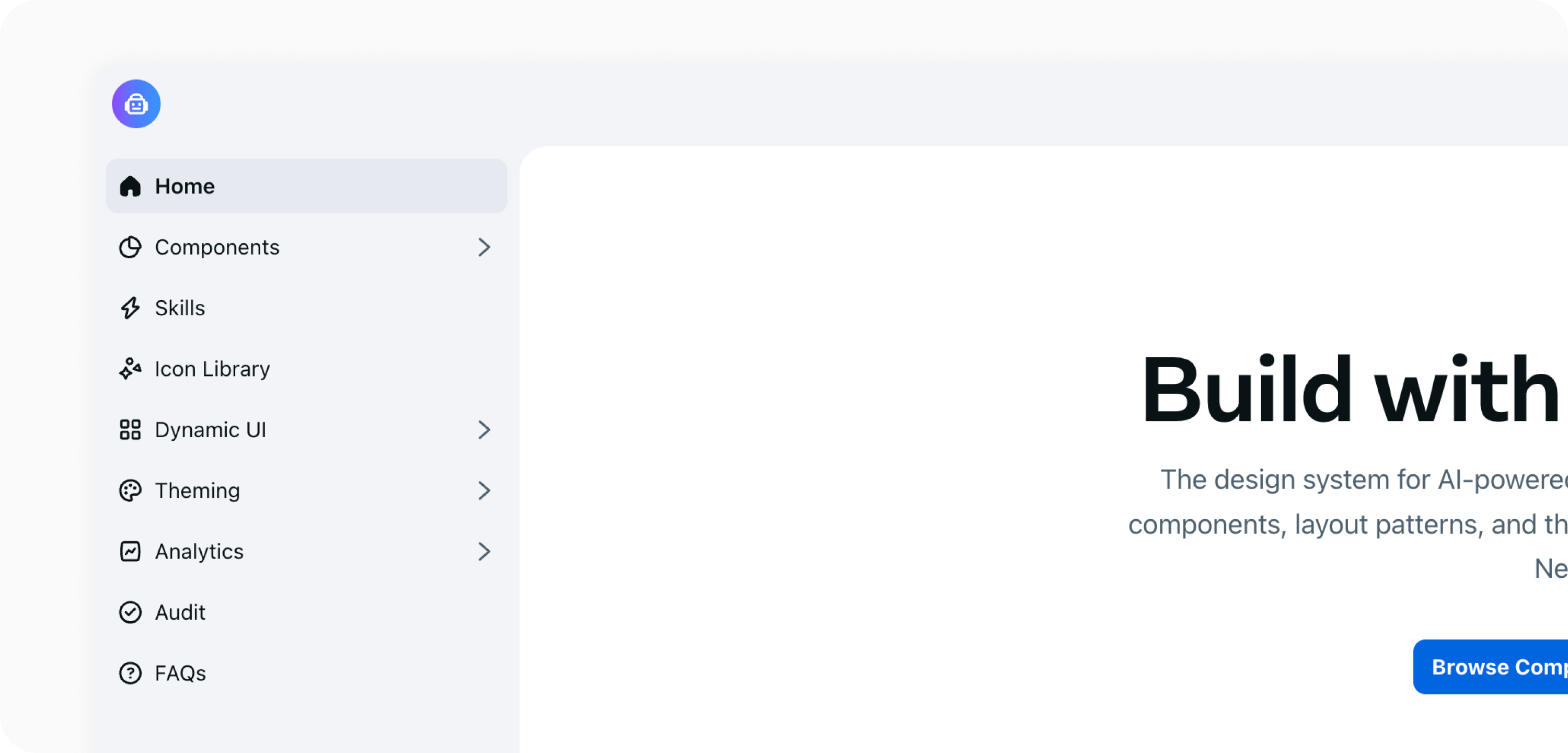
Architecting AI pattern systems
Creating the foundational UI patterns and components that power Meta's next generation of AI-first internal tools.
Context
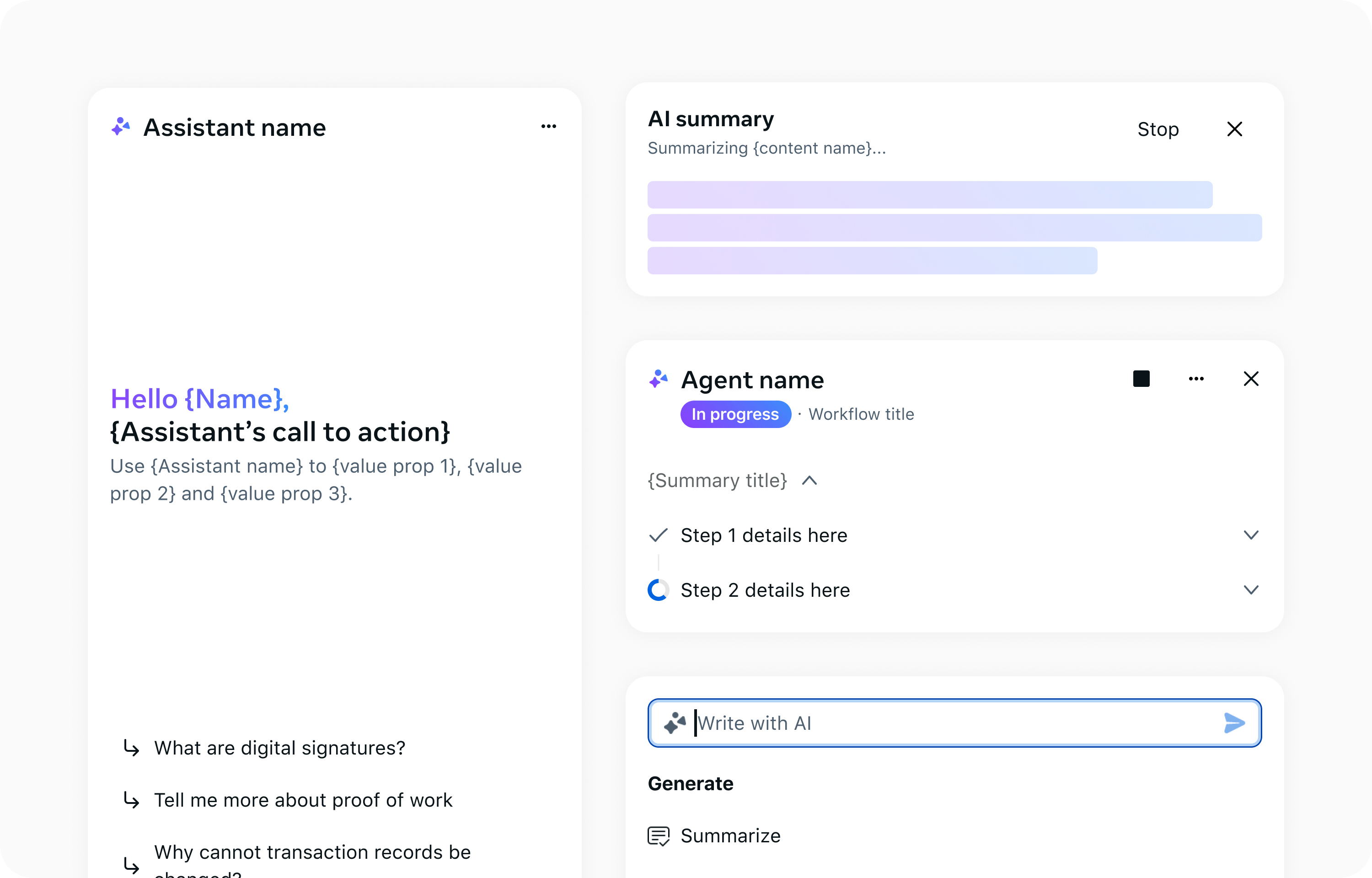
I currently lead design on the Enterprise Pattern System team- which is responsible for creating and maintaining design components and patterns for more than 600 first-party tools within Meta's Enterprise Products pillar. These tools help to facilitate key employee workflows in areas such as time management, business operations and so on.
I single-handedly spearheaded the creation of foundational AI patterns to enable engineering efficiency via reusable patterns and drive consistent/quality enterprise experiences. This work continues today, where I am still very much embedded in designing for the next evolution of human-agent interactions.
Approach
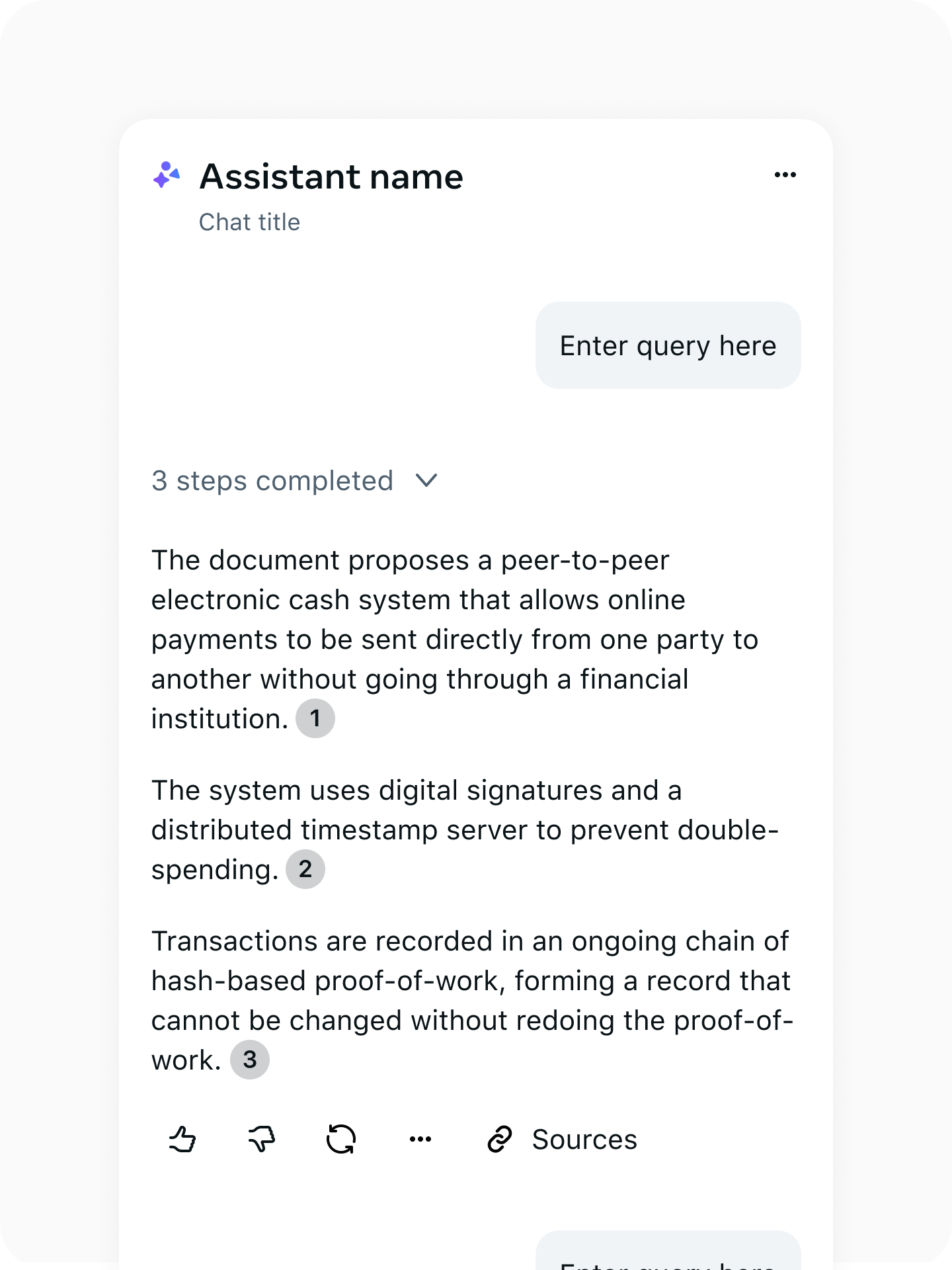
I first kickstarted work on the chat pattern, as various teams were moving towards experimenting with AI chat experiences (this was the main priority of H1 2025).
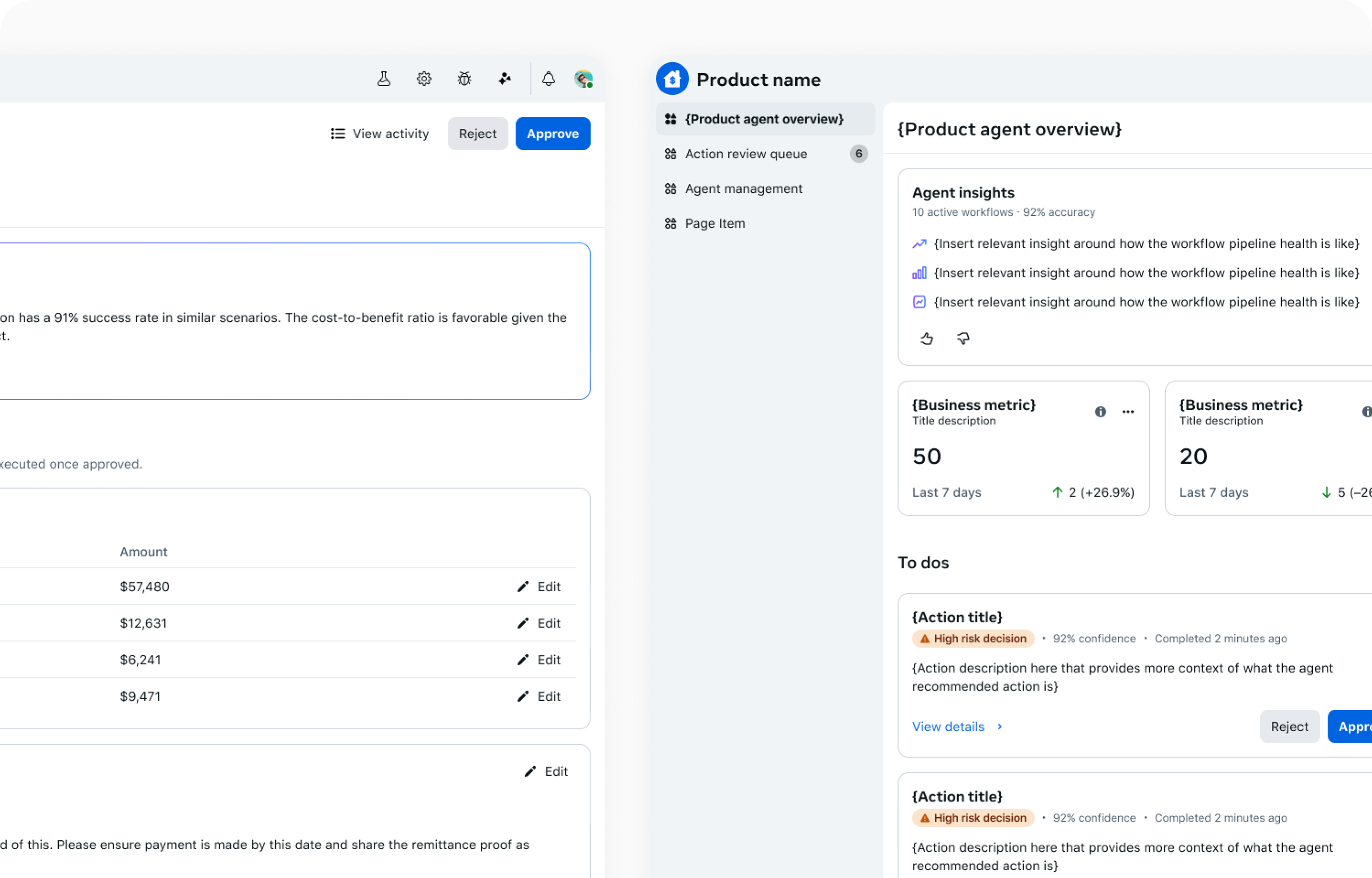
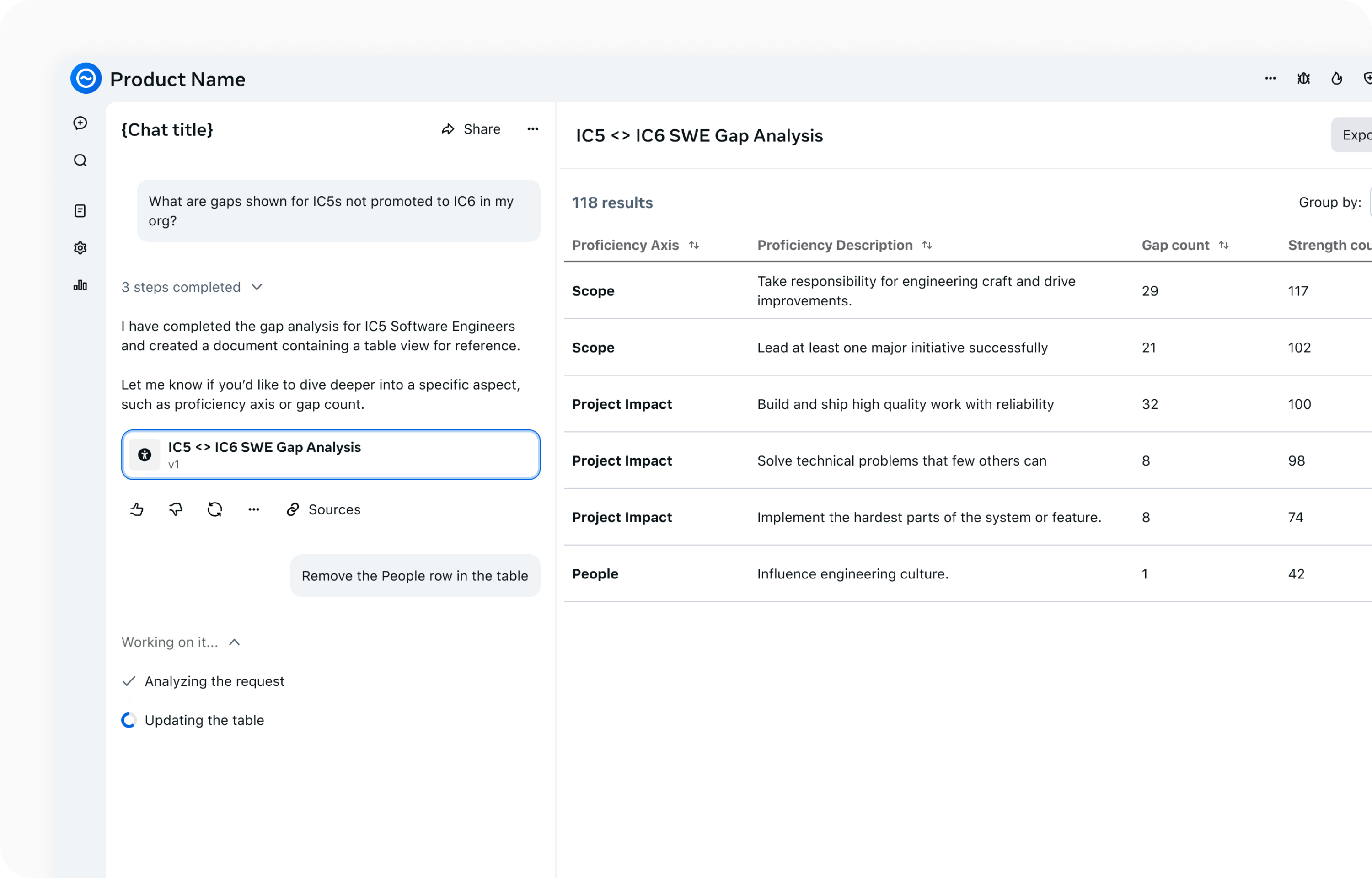
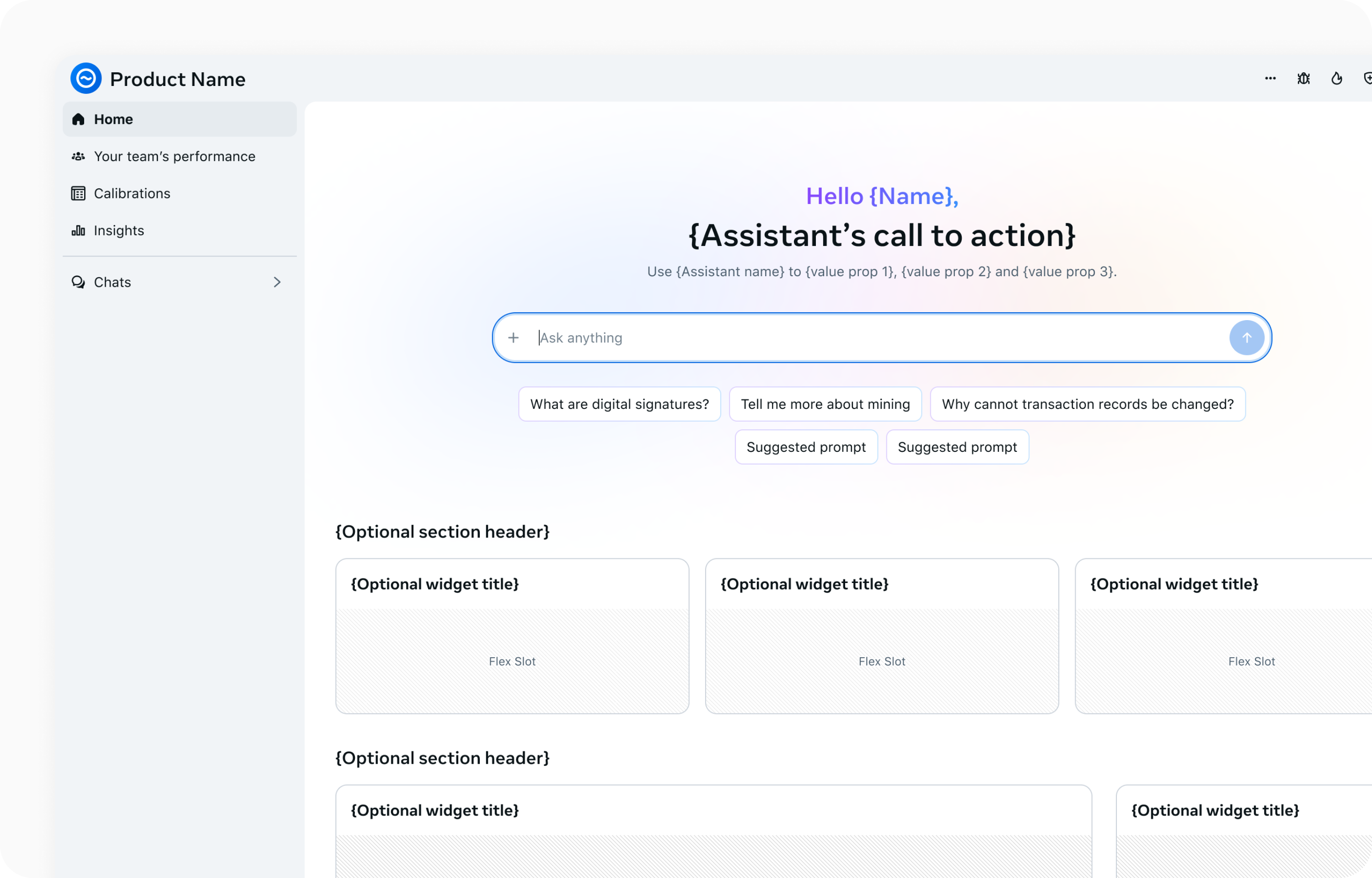
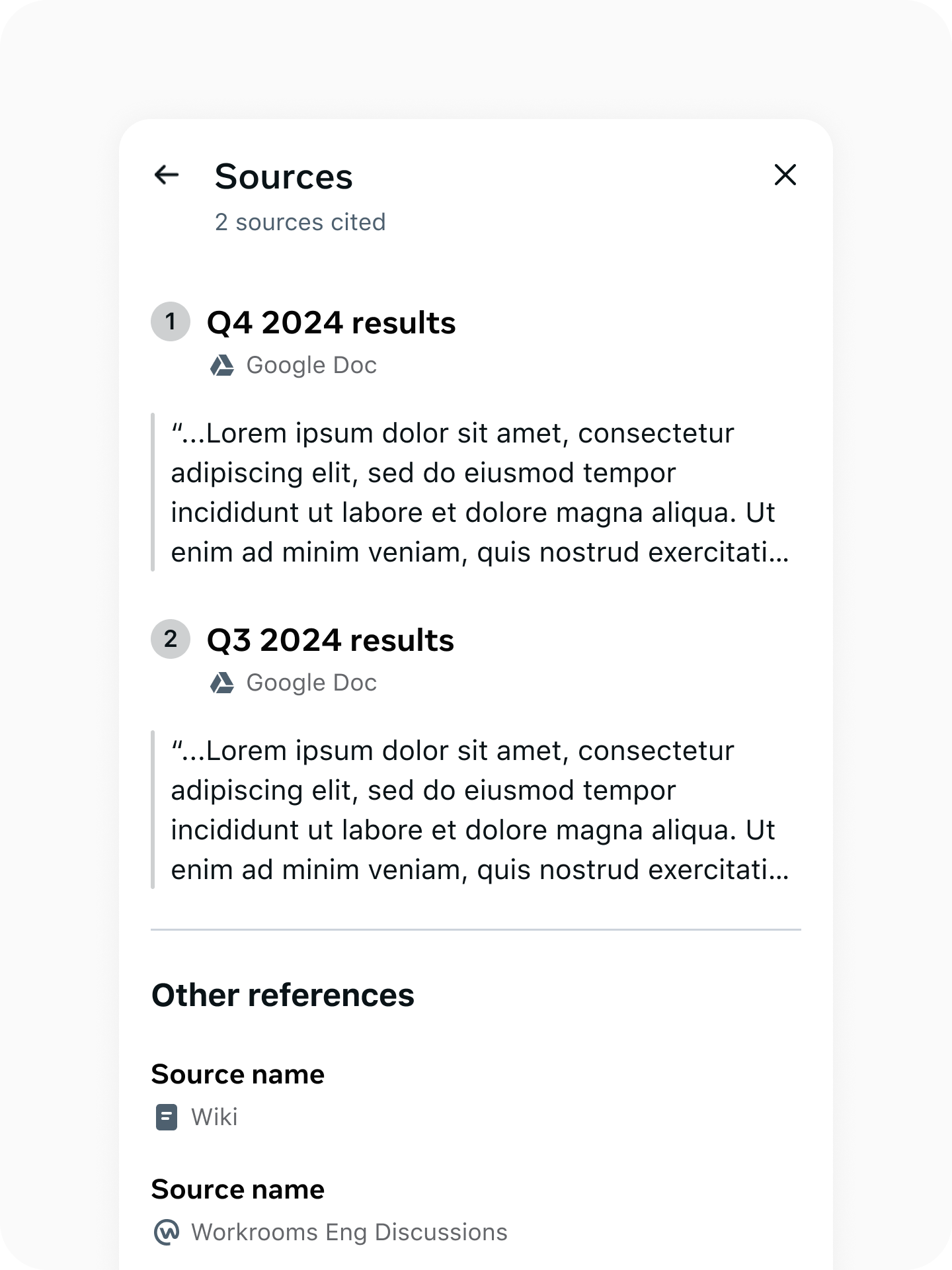
I began by initiating a comprehensive audit of different chat pattern implementations, which led me to synthesize a set of core pattern design recommendations. I then moved on to co-lead a month-long cross-company design sprint with other designers across Meta to rapidly create an 'internal chat pattern V1' with accompanying documentation. This was extensively iterated upon based on feedback post launch- and the second phase of this pattern workstream entailed me diving into defining more detailed 'AI-first' chat layouts and guidance for teams to adopt.
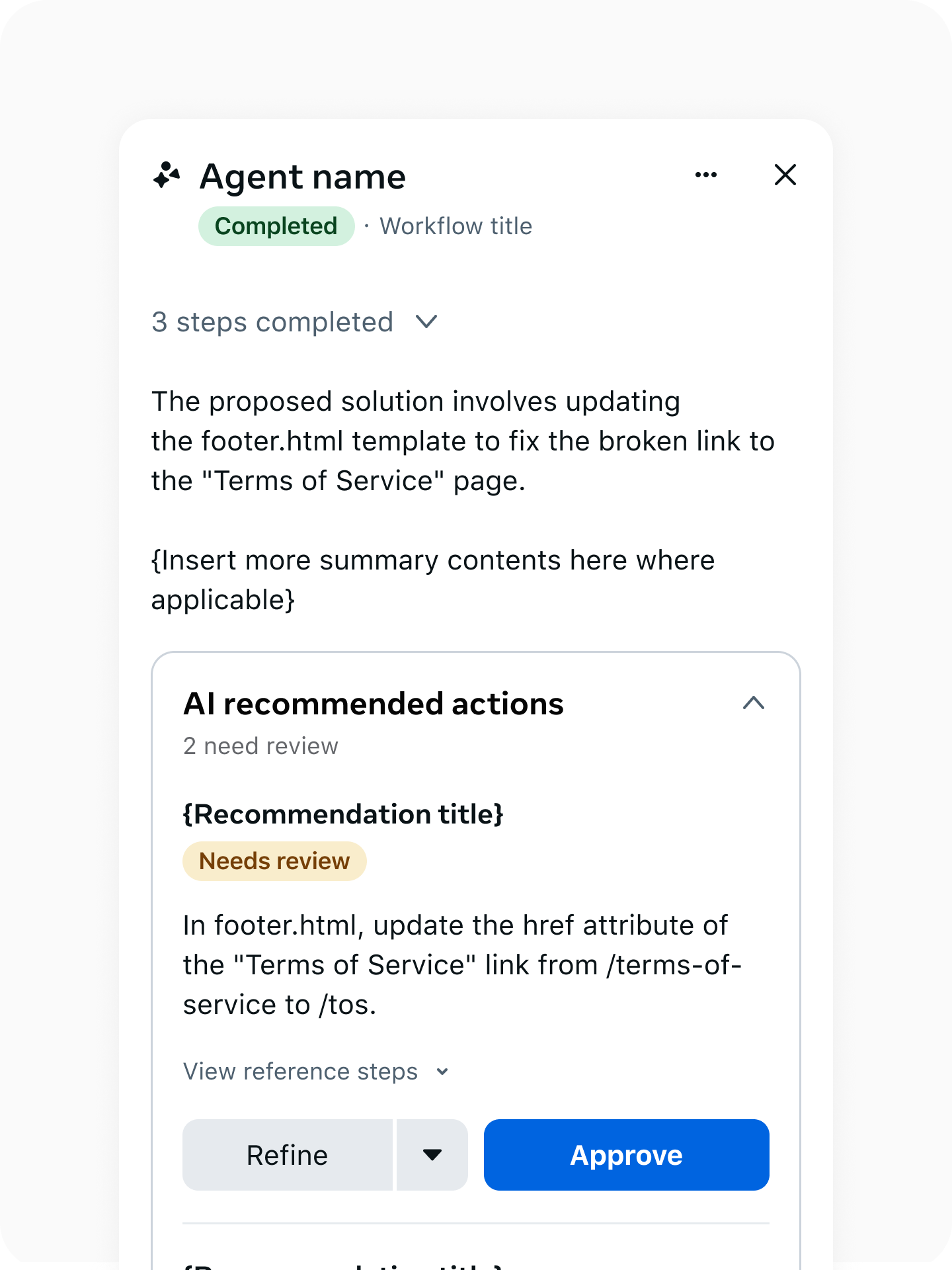
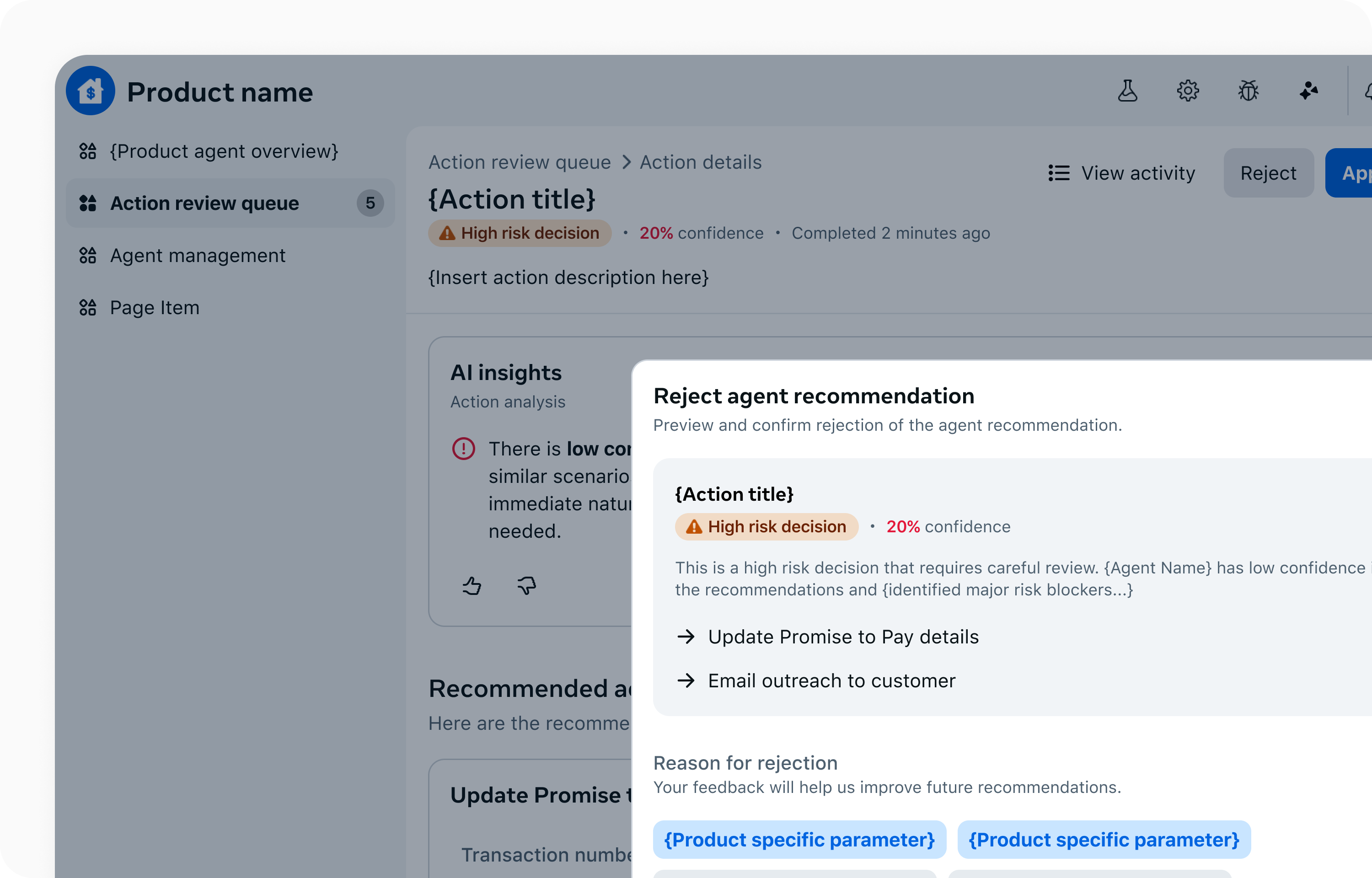
Going into H2 2025, along with the chat pattern work, I concurrently created other contextual AI patterns to meet emergent product team needs. I also started focusing on crafting agentic workflow patterns , and iterated through various feedback and reviews. As part of the agentic pattern workstream, I then moved to look at agent monitoring patterns which explores how humans may work with agents - and where these agents are able to autonomously complete tasks for review and input.
Solution
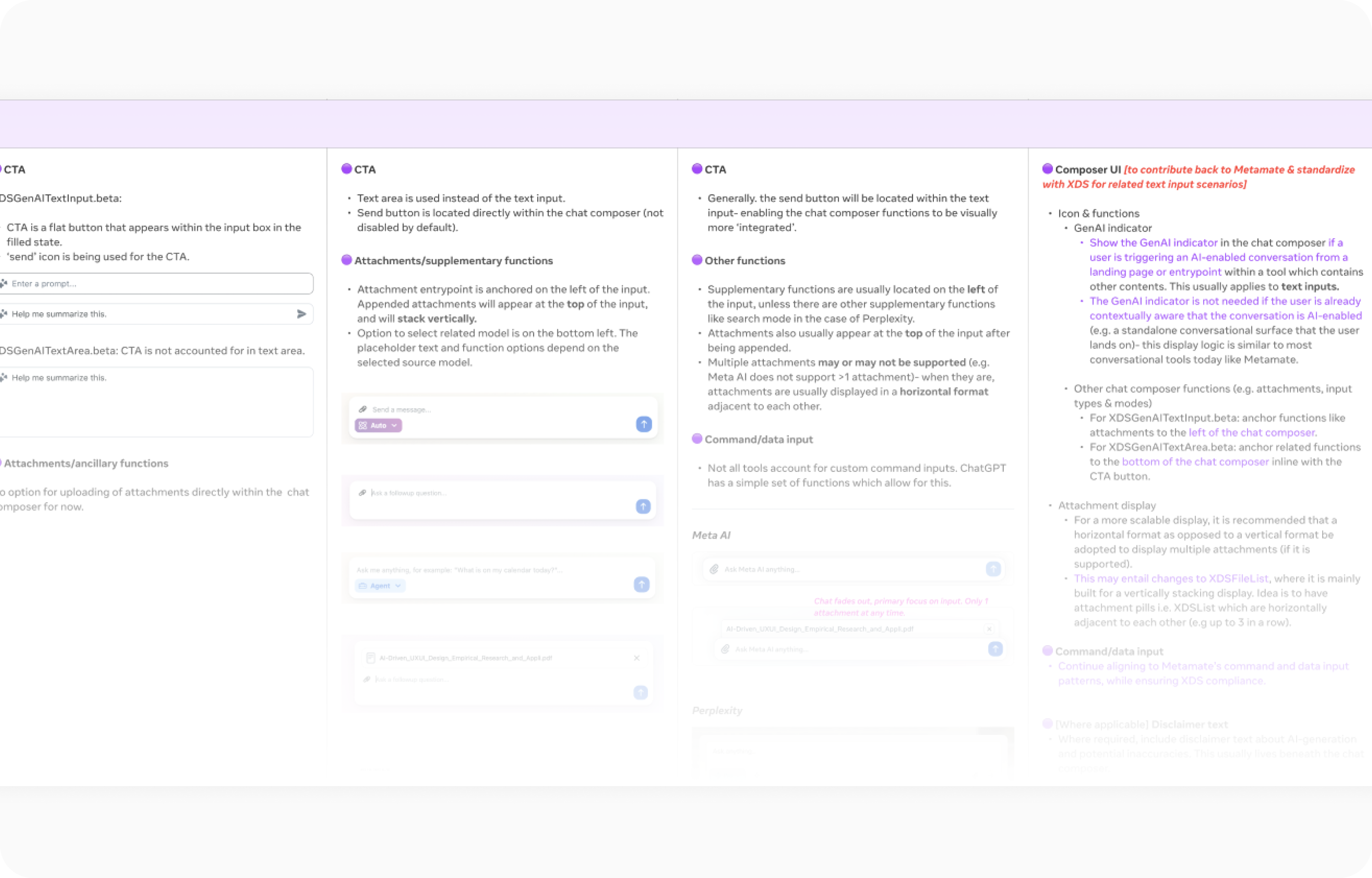
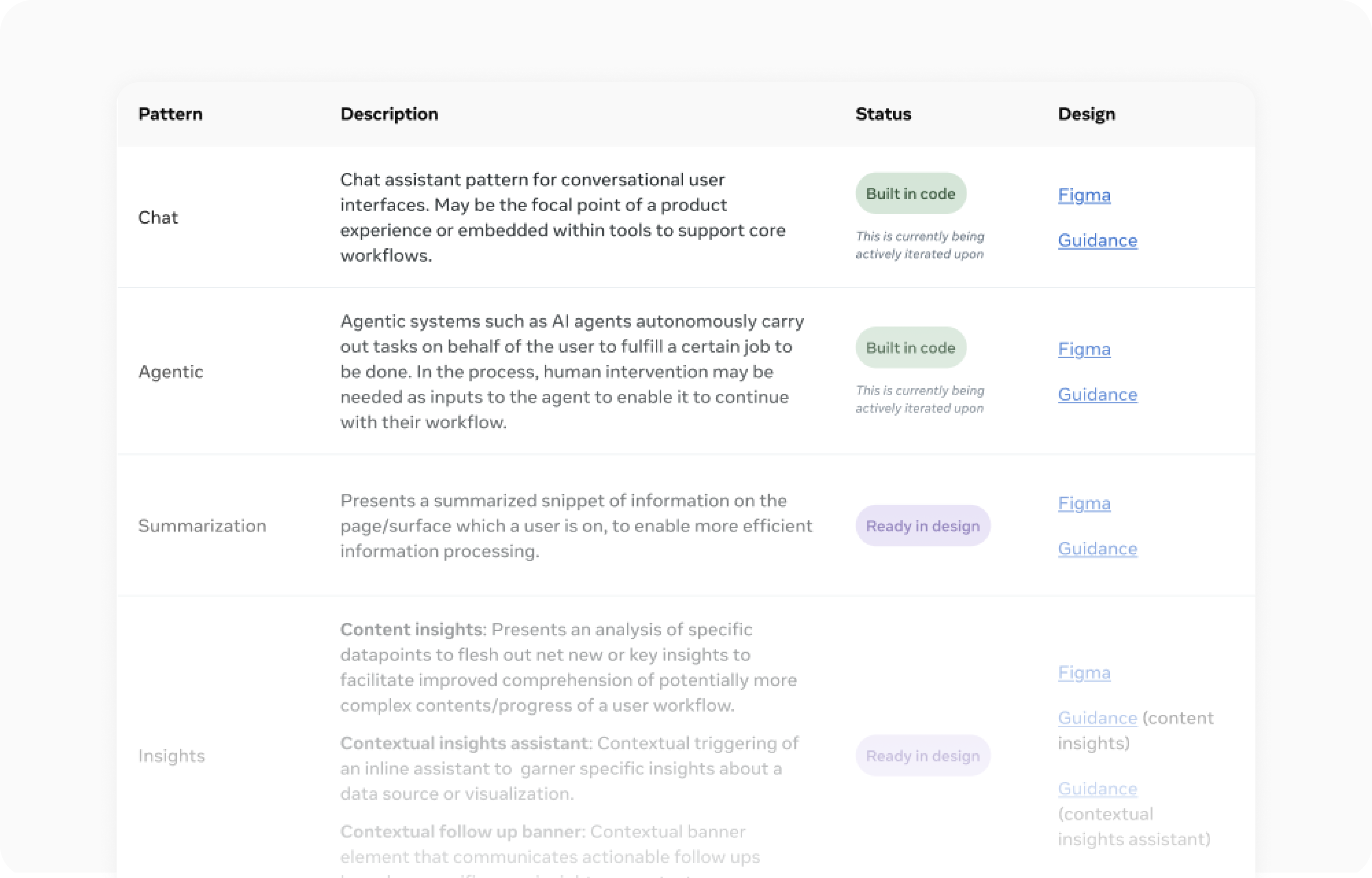
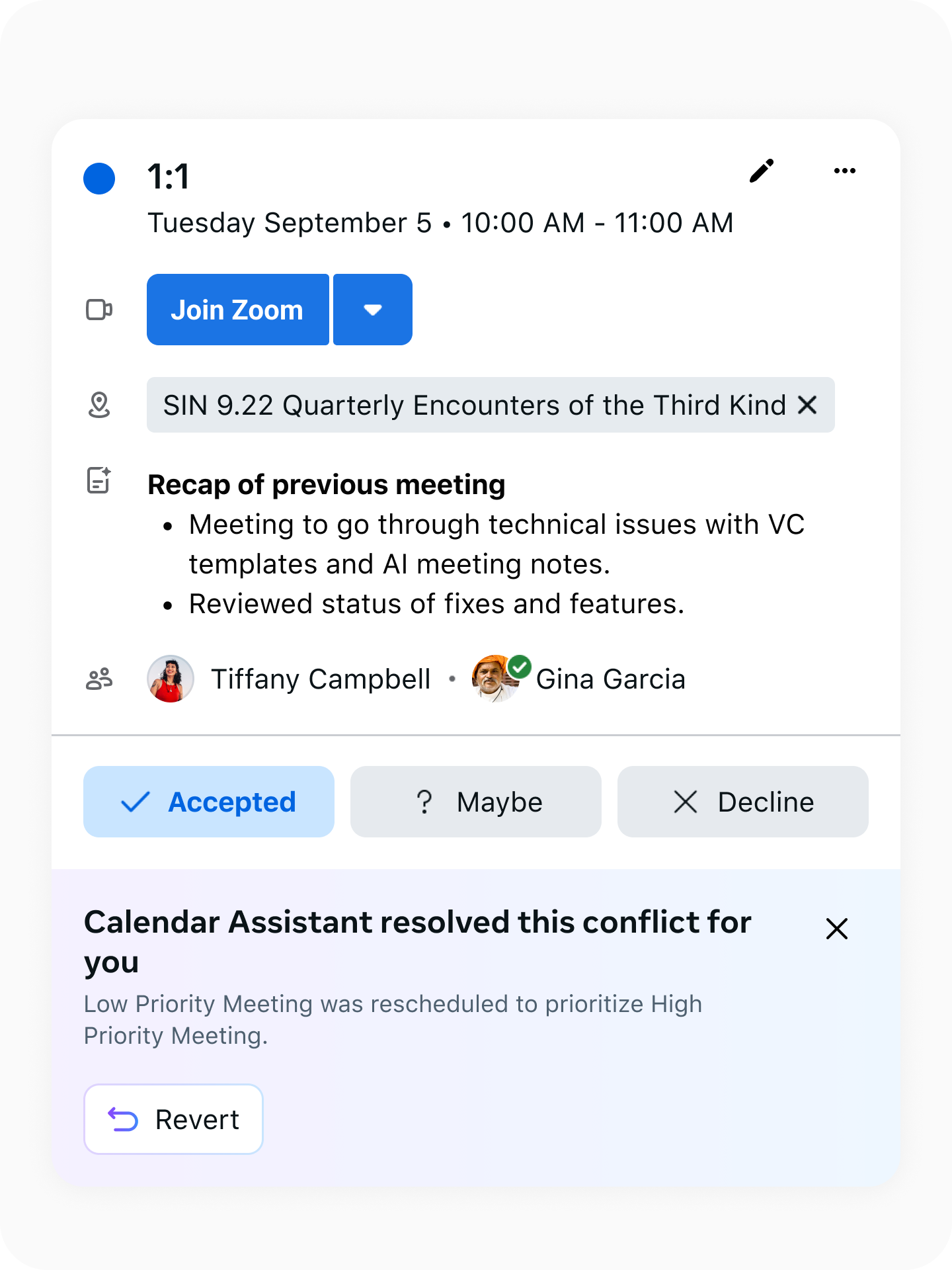
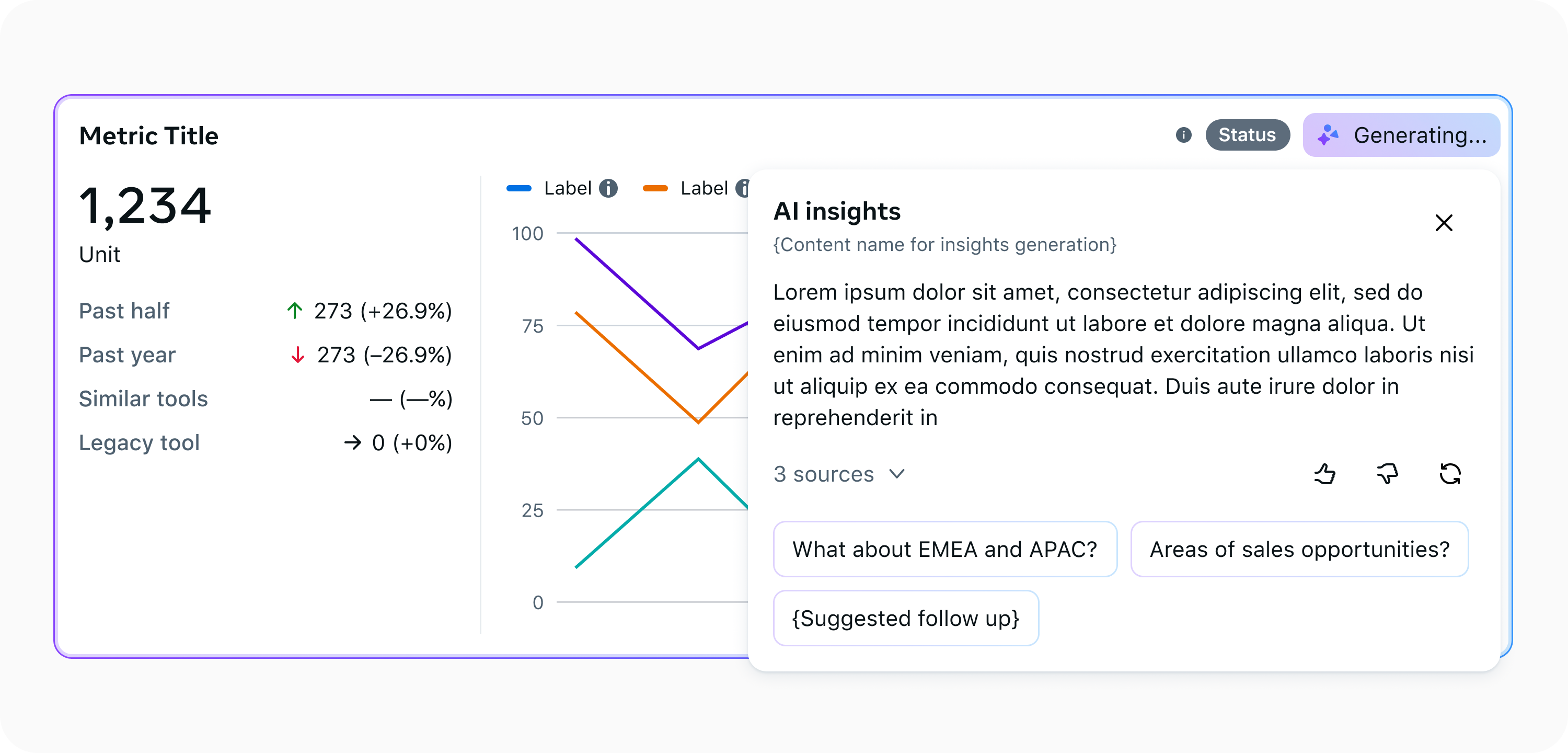
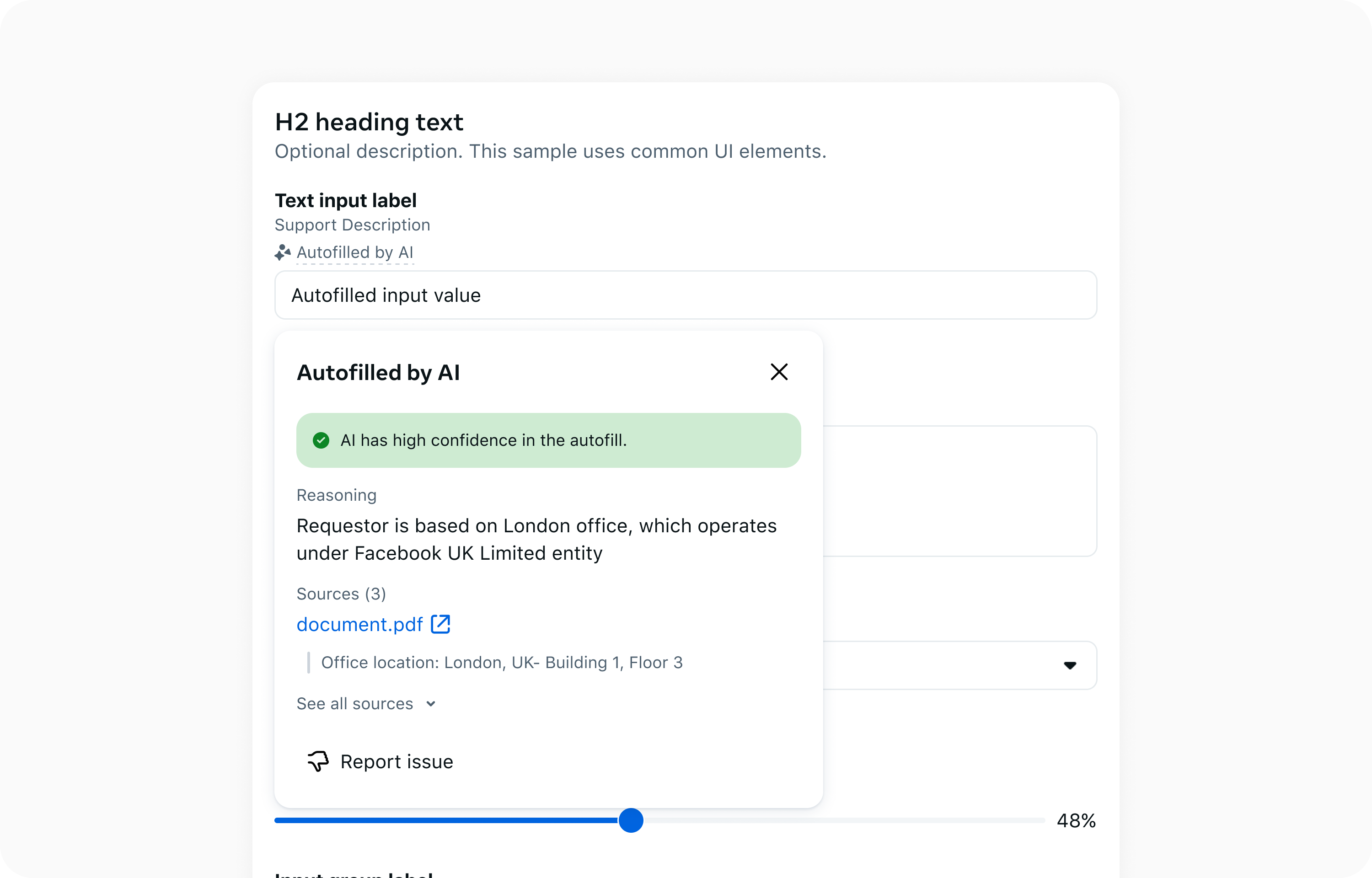
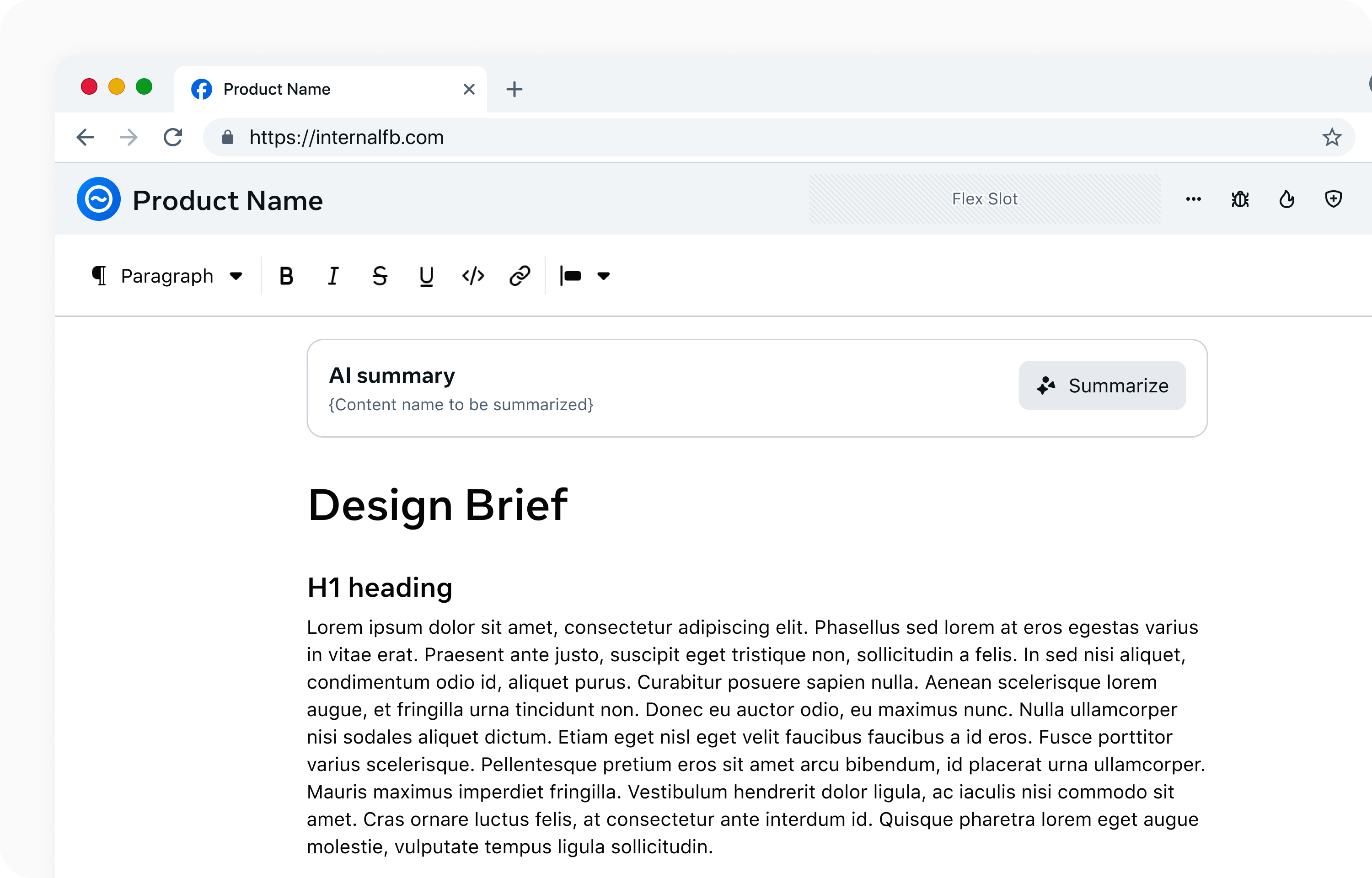
I created 9 patterns and guidelines that span a range of use cases such as chat, agentic and contextual interactions (e.g. summarization, insights, inline authoring, and AI-completed form fields, etc.). These patterns & components were documented both in Figma and a live playground to visualize key interactions. Along the way, I led detailed documentation and tracking of use cases as well as requirements from partner teams across the org.
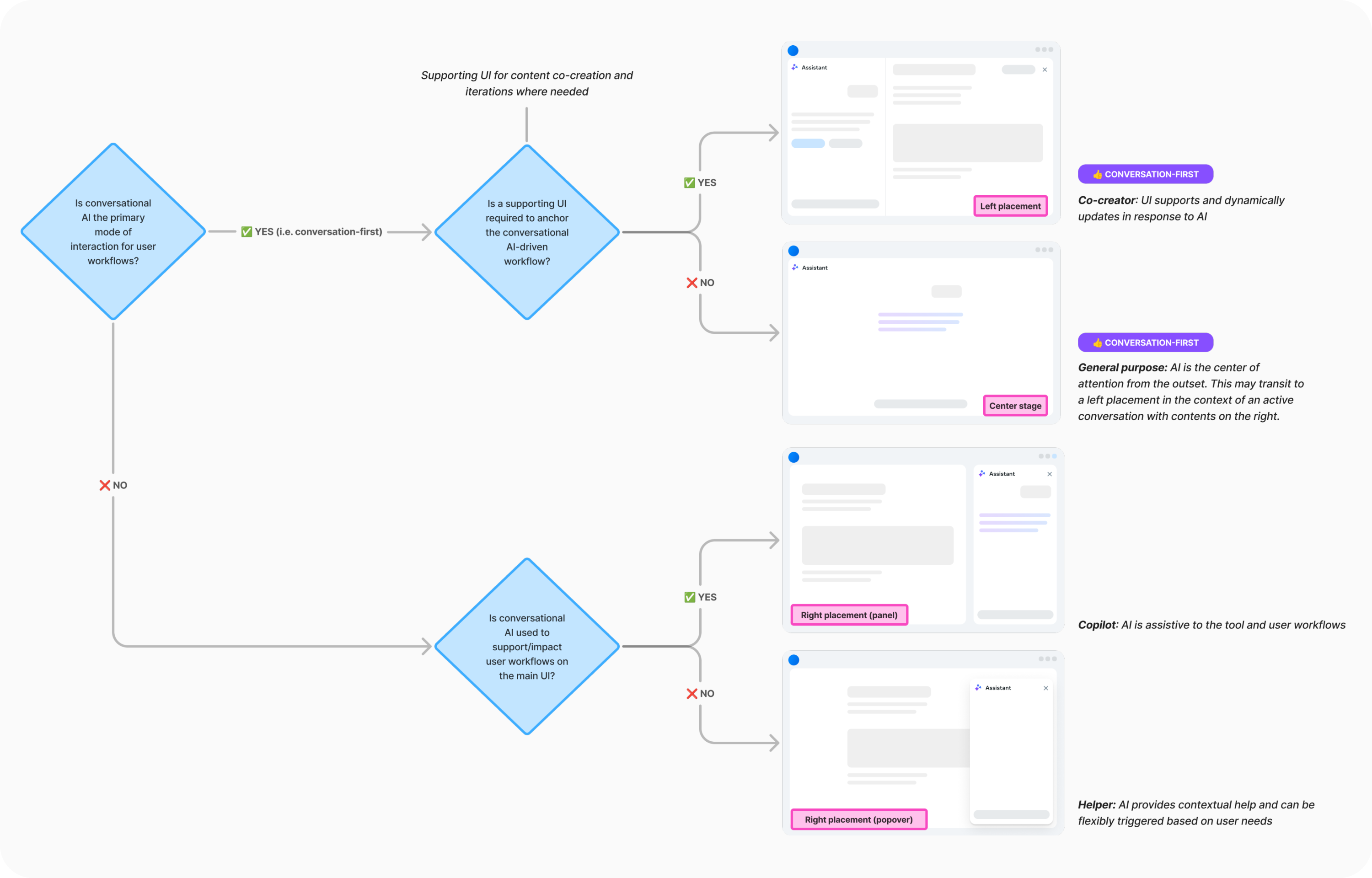
Specific to chat, I also crafted a variety of layout templates along with clear usage guidance which were communicated to all teams across the org. These were collaboratively stress tested together with UXR to develop a more coherent heuristic framework to govern when to use 'chat-first' layouts.
The development of agentic workflow patterns was also an interesting endeavour, where I partnered closely with adopting teams to iterate on these patterns across verticals such as financial processes and supply chain operations. This then evolved to re-imagining how humans will interact with agents as 'task delegators' and 'reviewers' as part of agent monitoring patterns which were conceptualized from scratch.
Outcome
My work helped to drive standardization of AI experiences across the org's product portfolio, with strong pattern adoption by 40+ teams. It also helped to effectively support and accelerate Enterprise Products' transition to being 'AI-first' across workflows and tooling.
Looking ahead, I believe we are still in the midst of a thought-provoking evolution where AI continues to impact the way we work. We are moving towards a reality where the barriers to product building are eliminated with agentic coding tools, and the build-launch-learn loop gets vastly expedited. It will be interesting to see how AI shapes next-generation interaction patterns that inform our mental models and influence how we think and behave.
Definitely more to come in this space.